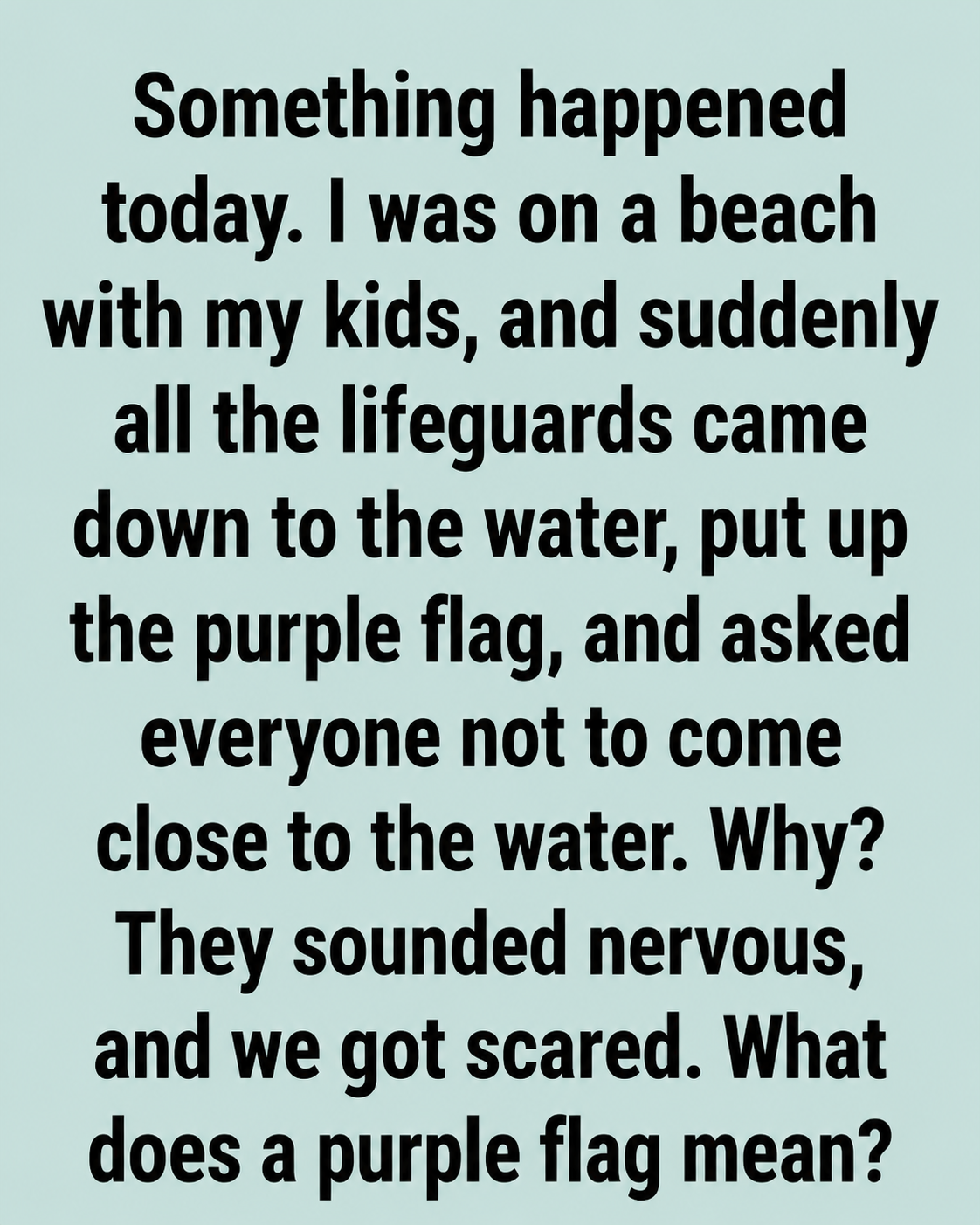
Imagine arriving at the beach on a beautiful sunny day. The sky is clear, the waves are rolling gently toward the shore, and everything seems perfect for swimming and relaxing. As you settle into your spot, however, you notice a purple flag flying near the lifeguard station. If you’re unfamiliar with beach warning flags, you may wonder whether it’s safe to enter the water.
Fortunately, a purple flag is not necessarily a reason to cancel your beach plans. Instead, it serves as a helpful warning that potentially dangerous marine life has been spotted nearby. Understanding what this flag means can help you enjoy the ocean safely while respecting the natural environment.
Why Beaches Use Purple Flags
Beaches around the world use colored flags to communicate important safety information to visitors. A purple flag specifically indicates that marine creatures capable of causing injury or discomfort have been observed in the area.
This warning does not mean the beach is closed or that entering the water is prohibited. Rather, it encourages swimmers and beachgoers to be more alert and cautious. Lifeguards may raise the flag after spotting certain sea animals directly or after observing conditions that increase the likelihood of their presence.
The purpose is simple: to help visitors make informed decisions while enjoying the beach.
Marine Creatures Commonly Associated with Purple Flags
Several types of ocean life can trigger a purple flag warning.
Jellyfish
Jellyfish are among the most common reasons for a purple flag. While many species are relatively harmless, others can cause painful stings that result in skin irritation, burning sensations, or allergic reactions.
Portuguese Man o’ War
Although often mistaken for a jellyfish, the Portuguese man o’ war is a different type of marine organism. Its floating blue or purple body and long tentacles can deliver powerful stings that may require medical attention.
Stingrays
Stingrays frequently inhabit shallow coastal waters, especially in warmer regions. These animals are generally not aggressive and prefer to avoid humans. However, they may sting defensively if accidentally stepped on while buried beneath the sand.
Understanding Nature’s Role
It is important to remember that these animals belong in the ocean. They are not invading swimming areas; humans are simply sharing their habitat.
Changes in tides, currents, weather conditions, water temperatures, and food availability can bring marine life closer to shore. The purple flag is simply a way to notify beach visitors when this occurs.
Rather than creating fear, the warning encourages awareness and respect for the natural environment.
Staying Safe When a Purple Flag Is Displayed
Seeing a purple flag doesn’t mean you must stay out of the water. However, taking a few precautions can greatly reduce the risk of an unpleasant encounter.
One of the most effective safety techniques is the famous “stingray shuffle.” Instead of taking normal steps, shuffle your feet along the sandy bottom when entering shallow water. The movement creates vibrations that alert stingrays, giving them time to swim away before you get too close.
Parents should also keep children within sight and avoid areas where marine life activity has been reported. If warnings are concentrated in one section of the beach, consider swimming elsewhere.
Being aware of your surroundings is often the best defense.
Trust the Lifeguards
Lifeguards are the most reliable source of information regarding beach conditions. They constantly monitor weather, water quality, surf conditions, and marine life activity throughout the day.
If you’re unsure about the purple flag or have concerns about entering the water, don’t hesitate to ask a lifeguard. They can explain exactly what has been observed, where the activity is occurring, and whether any additional precautions are recommended.
Their guidance is based on current conditions and can help you make the safest choice.
Ocean Conditions Can Change Quickly
The ocean is constantly changing. A beach that appears calm and free of hazards in the morning may experience completely different conditions later in the day.
Marine animals move with currents and changing water temperatures. Wind shifts and tidal movements can also influence where sea creatures gather.
Because conditions evolve throughout the day, paying attention to beach flags and official warnings remains important even if the water looked clear earlier.
Awareness Leads to Safer Beach Visits
The purple flag is not designed to scare people away from the beach. Instead, it serves as a simple reminder to stay informed and cautious.
Thousands of people safely enjoy beaches every day while purple flags are displayed. The key is to follow posted guidance, remain alert, and respect the ocean’s natural inhabitants.
By understanding what the purple flag represents, beach visitors can continue swimming, surfing, and relaxing with greater confidence and safety.
The ocean is one of nature’s greatest treasures. When we respect its warnings and recognize the wildlife that calls it home, we can enjoy unforgettable beach experiences while minimizing risks. The next time you spot a purple flag waving in the breeze, you’ll know exactly what it means—and how to make the most of your day by the sea.
If you found this article helpful, consider sharing it with friends and family so they can stay informed during their next beach vacation.
Note: Images used for illustration purposes may be AI-generated and are intended to visually represent the topic discussed.