You’ve probably come across it dozens of times without giving it a second thought.
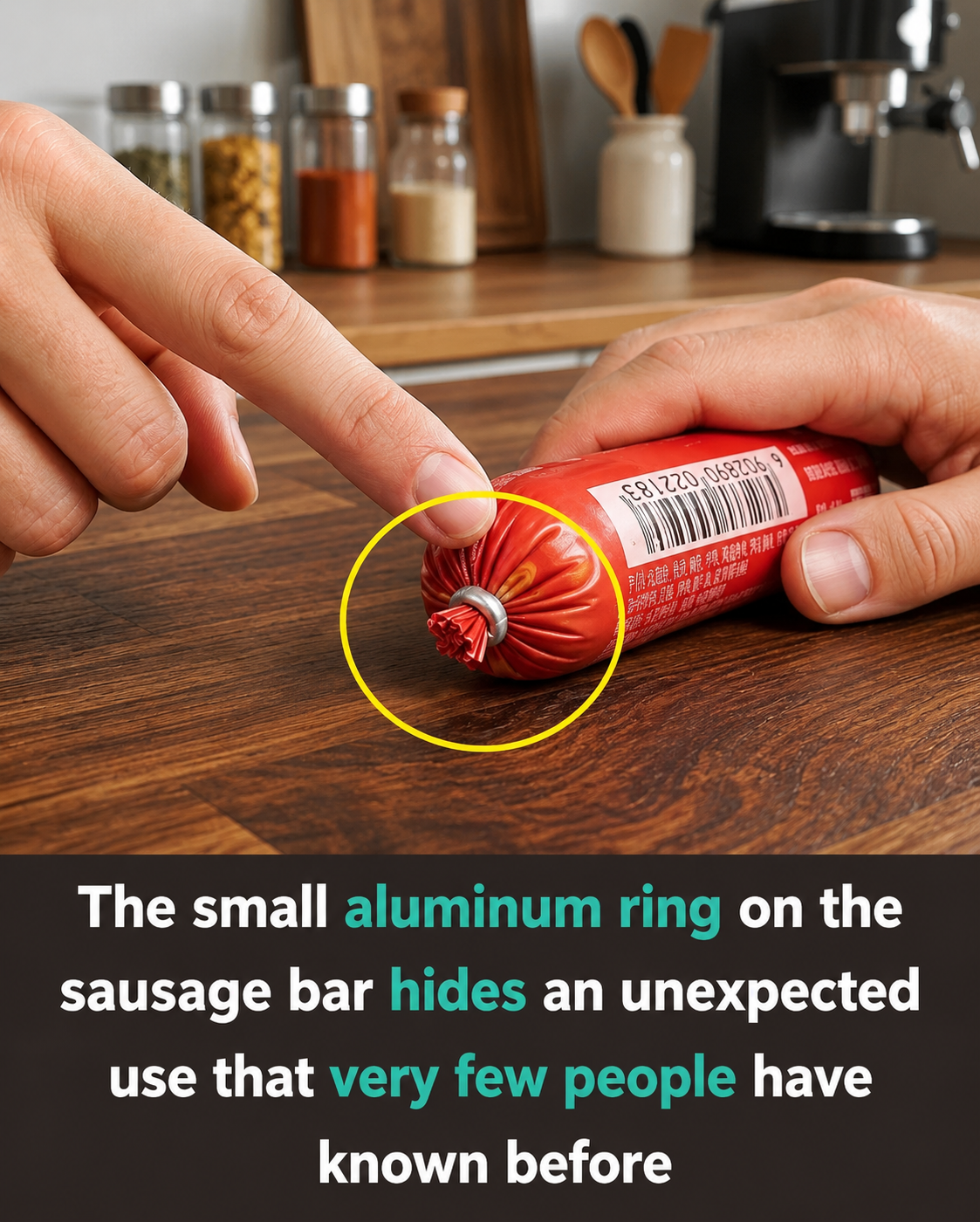
Maybe you were grabbing a quick sausage snack at a gas station, unpacking groceries at home, or arranging slices of cured meat for a weekend charcuterie board. You peel back the wrapper, and there it is at the end of the sausage casing—a tiny silver metal ring clamped around the tip.
Most people barely notice it.
If they do, they usually assume it’s just part of the packaging or some random leftover piece from the factory. But that little metal ring is far more important than it looks. In fact, it plays a major role in keeping the sausage fresh, secure, and safe to eat long before it ends up in your hands.
What seems like a small, forgettable detail is actually a smart piece of food packaging design.
Its Main Job: Sealing in Freshness
The primary purpose of that tiny aluminum ring is to tightly seal the end of the sausage casing.
Sausages—whether made with natural casings or synthetic ones—need to be securely closed so air, bacteria, and outside contaminants can’t get inside. That’s where the metal ring comes in. It crimps the gathered end of the casing shut, helping preserve the flavor, moisture, and texture of the meat inside.
This seal is especially important for smoked, cured, and ready-to-eat sausages, where freshness and storage stability matter a lot. By keeping the casing firmly closed, the ring helps protect the sausage from drying out too quickly or spoiling before it reaches the store shelf.
In short, that tiny clip helps lock in everything you actually want to taste.
It Also Helps the Sausage Keep Its Shape
The ring doesn’t just act as a seal—it also helps hold the sausage together structurally.
During processing, transport, packaging, and storage, sausages are moved around a lot. Without a secure closure at the end, the casing could loosen, leak, or become damaged. The ring keeps the end tightly fastened, which helps the sausage maintain its shape and stay intact from the factory all the way to your kitchen.
That might not sound exciting, but it’s one of those behind-the-scenes details that makes a big difference in food quality.
A Useful Tool During Curing and Smoking
For meat producers, the ring often serves another practical purpose: it can be used to hang sausages during production.
In many curing and smoking facilities, sausages are suspended on racks so air or smoke can circulate evenly around them. That circulation is a big part of what gives cured meats their texture and flavor. The metal ring provides a convenient point for hanging, making it easier to handle large batches during processing.
So while it may look like a simple clip, it can actually be part of the entire production process from start to finish.
Why It’s Handy in the Kitchen Too
Even after the sausage is sold, that little ring can still be useful.
If you’ve ever tried slicing into a sausage with a slippery casing, you know it can be awkward to hold. The metal tip gives you a firmer place to grip when opening or handling it, which can make cutting and peeling easier.
Of course, it should be removed before eating, but until then, it can be surprisingly practical.
A Small Detail Most People Never Notice
One reason the ring goes overlooked is because it does its job so well that no one thinks about it. It’s small, simple, and easy to ignore—but it’s been a standard part of sausage production for years.
Across large meat-processing industries in Europe and North America, aluminum clips like these have long been used because they’re fast, reliable, hygienic, and cost-effective. It’s a simple solution that solves several problems at once, which is exactly why it has lasted for so long.
Sometimes the best designs are the ones people barely notice.
More Than Just a Random Piece of Metal
So the next time you unwrap a sausage and spot that little silver ring at the end, you’ll know it’s not there by accident.
It helps seal in freshness, protect the contents, maintain the sausage’s shape, and even support the curing and smoking process before the product ever reaches the store. What looks like a tiny, insignificant piece of metal is actually doing a lot of work behind the scenes.
It’s a good reminder that everyday objects often have a purpose we never think to question. And sometimes, the smallest details are the ones quietly doing the most important jobs.
Note: All images used in this article are AI-generated and intended for illustrative purposes only.